Nearly half of Koreans living alone lack close connections
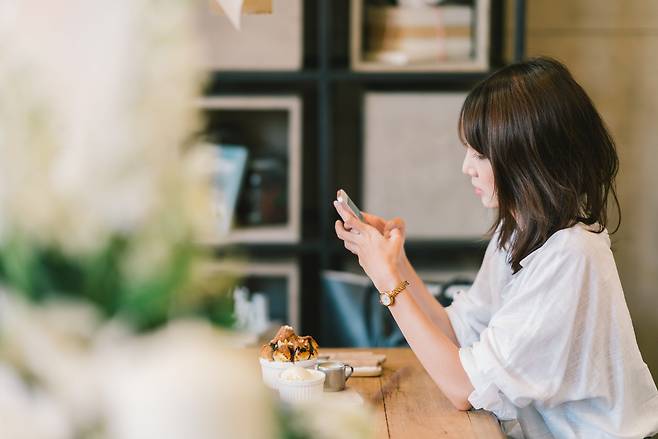
A recent report found that nearly half of people in South Korea who live alone have weak social connections. About 46.2% of people in single-person households were classified as having low-intimacy relationships. This means they have few people to share personal feelings with, rarely meet others, and are not very satisfied with their social relationships.
In comparison, only 27.8% of people living with family or other people had low-intimacy relationships. Also, just 27.2% of people living alone were considered part of a close-knit group, while 41.5% of people in larger households belonged to this group. The report suggests that living alone can be connected to having fewer close relationships.
The report also looked at retirement preparation. Many people do not depend mainly on regular retirement income, such as National Pension benefits. Instead, 64.2% depend more on private assets such as savings and housing. Among people in their 60s, 41.1% were both poorly prepared for retirement and highly dependent on private assets.
Retirement preparation also differs depending on people's education, age, household type, and location. Although Korea's average retirement preparation score has increased to almost 70 out of 100, some groups still face greater difficulties. The gap between people living in major cities and those in rural areas has also become wider.
The report recommends providing more targeted support instead of focusing only on the national average. For people living alone, this could include mental health services and more opportunities to build social relationships. For financially vulnerable older adults, the report suggests programs such as reverse mortgages and employment support to help them earn income after retirement.
Edited using generative AI tools.
Source:https://www.koreaherald.com/article/10881852
|